
Magnesium Oxide Cement: The Low-Carbon Game-Changer for Sustainable Construction in 2025
Time : 29/10/2025
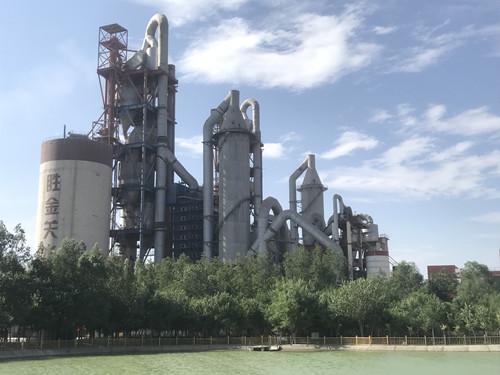
The Carbon Crisis of Traditional Portland Cement
Related knowledge forum
 Magnesium Oxide Cement: The Designer's Guide to a Sustainable FutureAs interior designers and architects, our material choices define not only the aesthetic and functional quality of a space but also its environmental legacy. The search for high-performance, beautiful, and truly sustainable building materials is more critical than ever. Enter a material that is quietly revolutionizing green construction: magnesium oxide cement. This isn't just another "eco" claim; it's a fundamentally different approach to building that offers a compelling alternative to traditional Portland cement and gypsum-based products.
 Various applications of magnesium oxide cementWhen we think of cement, most of us picture it as a basic building staple—strong, functional, but limited in scope. But magnesium oxide cement (often called magnesia cement) is rewriting that script. This innovative material blends durability, flexibility, and eco-friendliness, making it a go-to choice for industries ranging from construction to crafts, and even emergency infrastructure repair. Let’s dive into its wide-ranging applications and why it’s becoming a favorite for professionals and hobbyists alike.
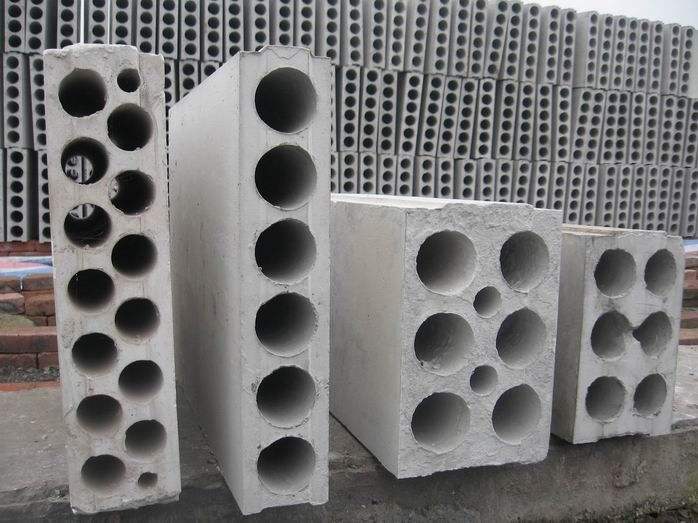
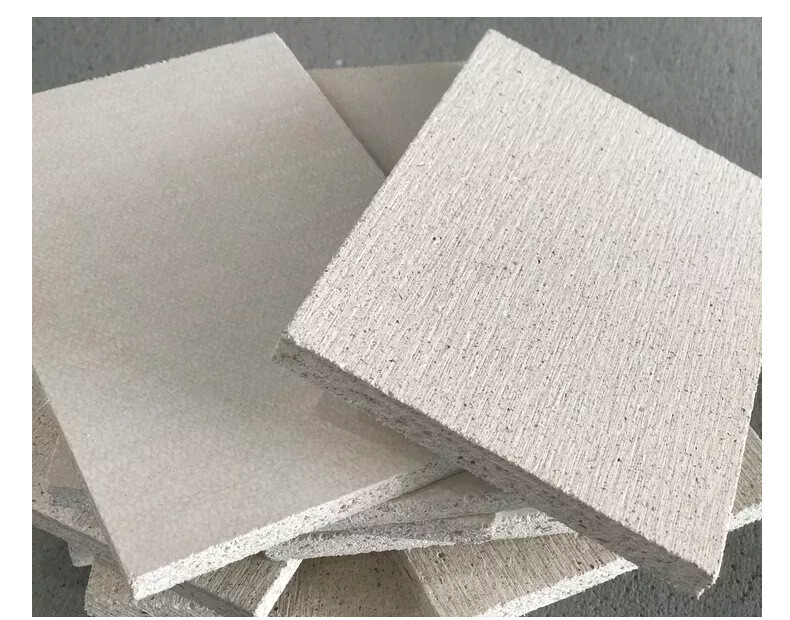
 The fire resistance of magnesium oxide boardsThe fire resistance of magnesium oxide boards stems primarily from their inorganic base material properties—they are inherently Class A non-combustible materials. They do not burn or release toxic gases when exposed to fire, making them a commonly used fire-retardant building material in the construction industry.
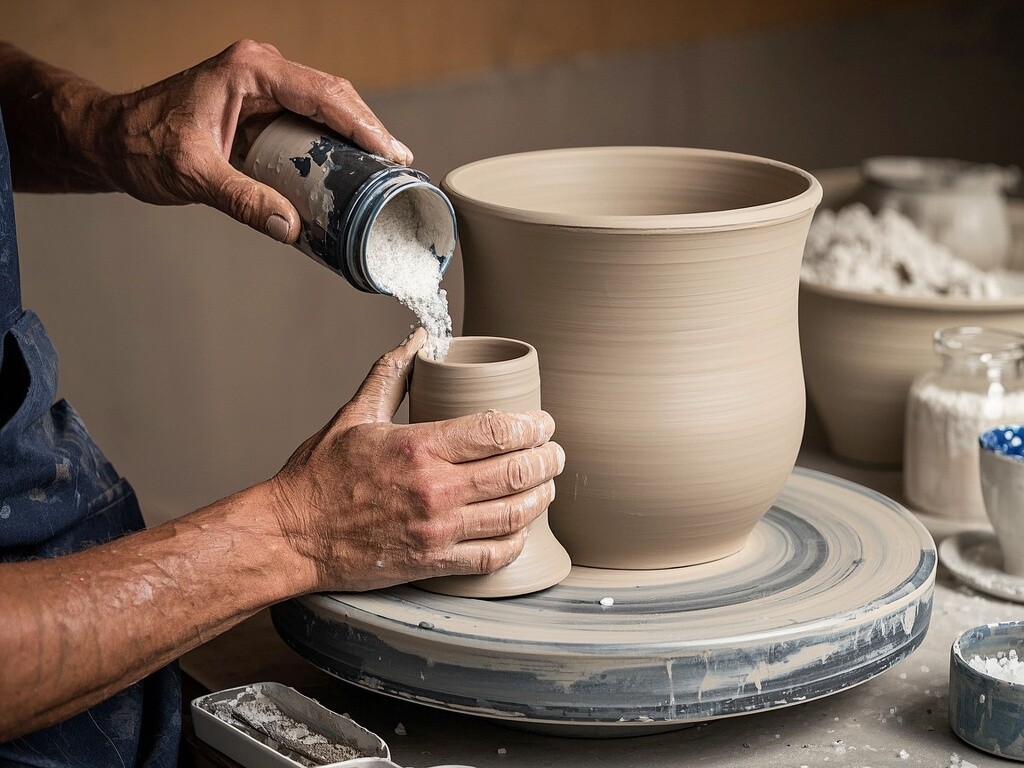
 Is Magnesium Sulfate the Key to Better Pottery?A comprehensive analysis of magnesium sulfate's impact on pottery, covering technical advantages, application methods, and industry case studies.
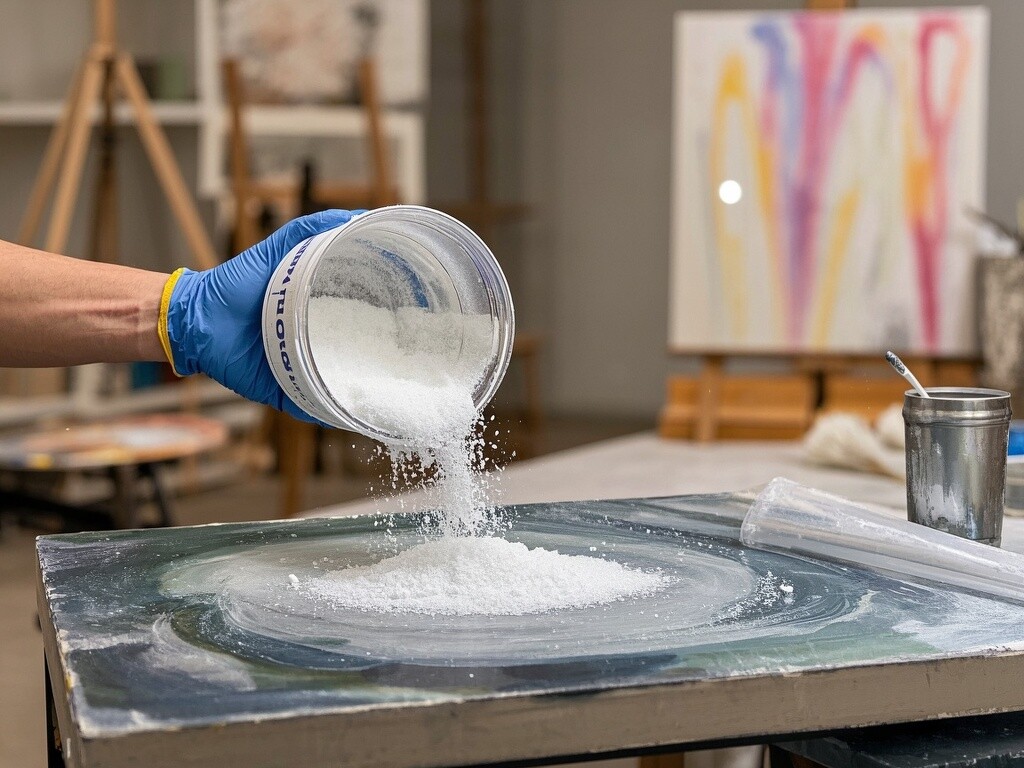
- Magnesium Sulfate in Art: Uses You Never KnewThis article delves into the multifaceted uses of magnesium sulfate in the art and crafts industry, highlighting its role in texture creation, preservation, and more. It provides valuable insights for artists, conservators, and business decision-makers.
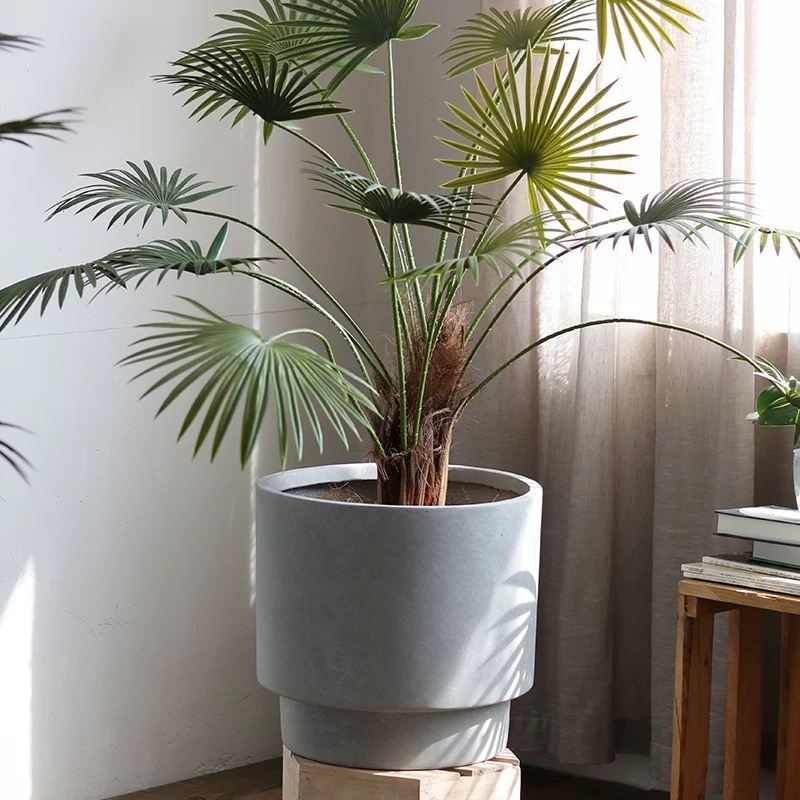
- Transform Your Space with Stunning Magnesium Crafts Today!Explore the world of magnesium crafts, including clay flower pots and fireproof boards, and learn how they can elevate your space with style and functionality.
- Magnesium Clay Pots: Durable, Stylish & Eco-Friendly!Explore the benefits and applications of magnesium clay flower pots, including their durability, eco-friendliness, and stylish designs. Perfect for both home and commercial use.
- Magnesium Oxide Holiday Decor: Durable & Adorable Gnome for Your Christmas VibeThe holiday season is all about wrapping your space in warmth and cheer—and nothing sets the Christmas mood like a cute, festive decor piece. Meet our magnesium oxide (MgO) Christmas gnome: the perfect blend of charm, durability, and holiday spirit.

With over ten years of experience in the research and development of magnesia materials, we inject scientific and technological value and green connotations into your products with our full industry chain technology system and innovative solutions.
+86 18853187305
mcmgo@unifymgo.com
No. 8366, Haitang Road, Changqing District, Jinan City, Shandong Province
Get in Touch
Search from here……