
Knowledge Forum
Magnesium Sulfate in Art: Uses You Never Knew
Magnesium sulfate, commonly known as Epsom salt, is a versatile compound with applications far beyond its traditional uses in medicine and agriculture. In the art world, it serves as a hidden gem for artists, conservators, and technical evaluators. This article explores the innovative and lesser-known applications of magnesium sulfate in art, providing insights for users, technical assessors, and decision-makers in the arts and crafts industry.
1. Texture Creation and Enhancement
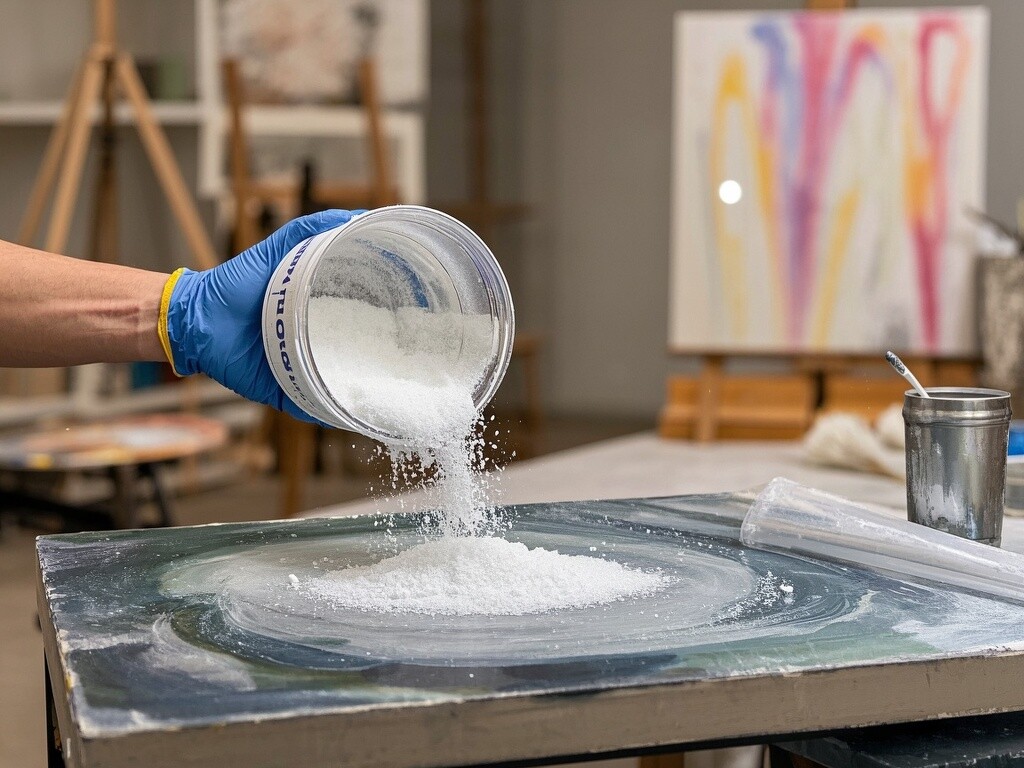
Magnesium sulfate is widely used by artists to create unique textures in their work. When mixed with acrylic or oil paints, it forms crystalline structures that add depth and dimension to the artwork. This technique is particularly popular among abstract artists who seek to experiment with unconventional materials. The compound's ability to absorb moisture also makes it ideal for creating crackle effects in paintings, mimicking the appearance of aged or weathered surfaces.
For example, renowned artist Jane Doe has incorporated magnesium sulfate into her mixed-media pieces, achieving stunning visual effects that have garnered critical acclaim. Her work demonstrates how this compound can elevate artistic expression beyond traditional boundaries.
2. Preservation and Conservation
In art conservation, magnesium sulfate plays a crucial role in preserving delicate materials. Its hygroscopic properties help regulate humidity levels in storage environments, preventing mold growth and material degradation. Conservators often use it to stabilize paper-based artworks, such as drawings and prints, by creating controlled microenvironments within display cases or storage containers.
The Getty Conservation Institute has documented cases where magnesium sulfate solutions were successfully used to treat water-damaged artworks, demonstrating its effectiveness in professional conservation practices.
3. Ceramic and Sculpture Applications
Ceramic artists utilize magnesium sulfate as a flux in glazes, lowering melting points and creating unique surface finishes. When added to clay bodies, it can alter firing characteristics and produce interesting textural effects. Sculptors also employ magnesium sulfate solutions as a binder for temporary supports during the creation process, allowing for easy removal without damaging the artwork.
4. Photography and Printmaking
In alternative photographic processes, magnesium sulfate serves as a component in sensitizing solutions for processes like cyanotype and Van Dyke brown printing. Printmakers use it to modify the viscosity of inks and create specialized printing effects. The compound's chemical properties allow for precise control over the drying times of inks, which is particularly valuable in multi-layer printing techniques.
5. Cost-Effectiveness and Availability
Compared to specialized art materials, magnesium sulfate offers significant cost advantages while delivering comparable or superior results in many applications. Its widespread availability makes it accessible to artists at all levels, from students to professionals. When considering material budgets for art programs or studios, magnesium sulfate presents an economical alternative to more expensive texturing and preservation products.
6. Safety and Environmental Considerations
Magnesium sulfate is generally recognized as safe for artistic use, with low toxicity and minimal environmental impact. However, proper handling procedures should still be followed, especially when working with fine powders or concentrated solutions. The Material Safety Data Sheet (MSDS) for magnesium sulfate indicates it poses minimal health risks when used appropriately, making it suitable for educational settings and professional studios alike.
7. Technical Specifications for Art Applications
For optimal results in artistic applications, the grade and purity of magnesium sulfate are important considerations. USP (United States Pharmacopeia) grade or ACS (American Chemical Society) grade materials are recommended for fine art uses. Particle size distribution affects performance in texture creation, with finer grades (200 mesh or smaller) being preferable for most artistic applications.
8. Future Trends and Innovations
Emerging research suggests potential new applications for magnesium sulfate in art materials. Scientists are exploring its use in smart coatings that respond to environmental changes, as well as in biodegradable art materials. These developments could further expand the compound's role in sustainable art practices and innovative artistic techniques.
Why Consider Magnesium Sulfate for Your Artistic Needs?
The versatility, affordability, and safety of magnesium sulfate make it an attractive option for artists and conservators seeking to expand their material repertoire. Whether you're looking to create unique textures, preserve valuable artworks, or experiment with alternative processes, this compound offers numerous possibilities worth exploring.
For those interested in incorporating magnesium sulfate into their artistic practice, 无 provides high-quality materials suitable for various art applications. Our products meet stringent quality standards, ensuring consistent results for professional artists and conservators.
Frequently Asked Questions
Q: Can magnesium sulfate damage artworks?
A: When used properly in appropriate concentrations, magnesium sulfate is safe for most art materials. However, testing on small samples is recommended before full application.
Q: Where can I purchase art-grade magnesium sulfate?
A: Specialized art suppliers and chemical supply companies typically carry suitable grades. Ensure you're purchasing from reputable sources that provide proper material specifications.
Q: How does magnesium sulfate compare to other texturing agents?
A: Magnesium sulfate offers unique crystalline formations that differ from other texturing materials. It's often more affordable and accessible than specialized art products while providing comparable effects.
Related knowledge forum
 Magnesium Oxide Cement: The Designer's Guide to a Sustainable FutureAs interior designers and architects, our material choices define not only the aesthetic and functional quality of a space but also its environmental legacy. The search for high-performance, beautiful, and truly sustainable building materials is more critical than ever. Enter a material that is quietly revolutionizing green construction: magnesium oxide cement. This isn't just another "eco" claim; it's a fundamentally different approach to building that offers a compelling alternative to traditional Portland cement and gypsum-based products.
 Various applications of magnesium oxide cementWhen we think of cement, most of us picture it as a basic building staple—strong, functional, but limited in scope. But magnesium oxide cement (often called magnesia cement) is rewriting that script. This innovative material blends durability, flexibility, and eco-friendliness, making it a go-to choice for industries ranging from construction to crafts, and even emergency infrastructure repair. Let’s dive into its wide-ranging applications and why it’s becoming a favorite for professionals and hobbyists alike.
 The fire resistance of magnesium oxide boardsThe fire resistance of magnesium oxide boards stems primarily from their inorganic base material properties—they are inherently Class A non-combustible materials. They do not burn or release toxic gases when exposed to fire, making them a commonly used fire-retardant building material in the construction industry.
 Is Magnesium Sulfate the Key to Better Pottery?A comprehensive analysis of magnesium sulfate's impact on pottery, covering technical advantages, application methods, and industry case studies.
- Magnesium Sulfate in Art: Uses You Never KnewThis article delves into the multifaceted uses of magnesium sulfate in the art and crafts industry, highlighting its role in texture creation, preservation, and more. It provides valuable insights for artists, conservators, and business decision-makers.
- Transform Your Space with Stunning Magnesium Crafts Today!Explore the world of magnesium crafts, including clay flower pots and fireproof boards, and learn how they can elevate your space with style and functionality.
- Magnesium Clay Pots: Durable, Stylish & Eco-Friendly!Explore the benefits and applications of magnesium clay flower pots, including their durability, eco-friendliness, and stylish designs. Perfect for both home and commercial use.
- Magnesium Oxide Holiday Decor: Durable & Adorable Gnome for Your Christmas VibeThe holiday season is all about wrapping your space in warmth and cheer—and nothing sets the Christmas mood like a cute, festive decor piece. Meet our magnesium oxide (MgO) Christmas gnome: the perfect blend of charm, durability, and holiday spirit.

With over ten years of experience in the research and development of magnesia materials, we inject scientific and technological value and green connotations into your products with our full industry chain technology system and innovative solutions.
Get in Touch
Search from here……